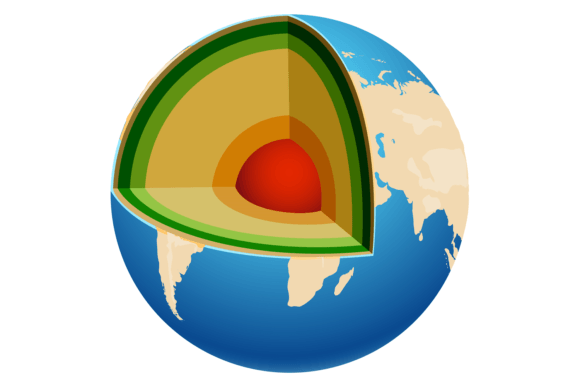
Earth Structure Infographic Element for Blog and Web Design
As a seasoned blog designer and digital publisher, I’ve tested countless graphic design assets to elevate content visuals. The Earth Structure Infographic Element stands out as a versatile tool for editorial use, especially in niches related to science, education, and environmental topics. This graphic, which features planet layers and core isolated on white background, is available in multiple formats including EPS, JPG, SVG, and transparent PNG, making it adaptable for both print and digital publishing.
First Impressions: A Clean and Educational Visual
The moment I saw the Earth Structure Infographic Element, I was struck by its clean, modern aesthetic. The layered representation of the Earth’s crust, mantle, outer core, and inner core is not only scientifically accurate but also visually engaging. It creates an educational mood that feels informative yet approachable, making it ideal for content targeting students, educators, or anyone interested in geology.
This design asset has a professional and artistic feel, leaning into a modern, clean style that complements both lifestyle and educational content. It doesn’t scream loud or demand attention; instead, it subtly invites readers to explore more about the subject matter.
Real Publishing Use Cases for Earth Structure Infographic Element
The Earth Structure Infographic Element can be used in a variety of real-world publishing scenarios. Here are some practical applications:
- Blog Featured Images: As a header for articles about planetary science, environmental studies, or even general science topics.
- Pinterest Graphics: To create eye-catching pins that drive traffic to your blog or affiliate content.
- Article Headers: Used as a visual anchor for long-form posts, helping to establish visual hierarchy and brand identity.
- Newsletter Banners: For email marketing campaigns focused on educational content or digital guides.
- Downloadable Resources: Included in printable worksheets, digital guides, or eBook covers that target learners or hobbyists.
- Social Media Previews: Perfect for Facebook, Instagram, or LinkedIn posts with a focus on science communication.
- Canva Templates: Integrated into templates for blog graphics, social media posts, or editorial layouts.
How This Asset Enhances Content Performance
Incorporating the Earth Structure Infographic Element into your content strategy can lead to stronger first impressions, clearer visual hierarchy, and better click-through potential. Its minimalist style ensures that it doesn’t overshadow the text but instead supports it, improving reader trust and engagement.
When paired with the right headline text, this graphic can significantly enhance the visual identity of your blog or website. It adds a layer of professionalism and credibility, which is essential for content creators in the education or scientific niche.
Where This Design Works Best
The Earth Structure Infographic Element shines in hero images, article thumbnails, Pinterest pins, blog graphics, and editorial accents. It's particularly effective when placed beside serif or sans-serif fonts, as the contrast between the bold infographic and clean typography enhances readability and visual appeal.
It also works well as part of content upgrades such as downloadable resources, category visuals, and newsletter headers. Its versatility makes it a valuable addition to any creative toolkit, especially for small business branding or digital product development.
Where to Use with Caution
While the Earth Structure Infographic Element is highly adaptable, there are certain contexts where it may not be the best fit. Avoid using it in small mobile thumbnails, where the intricate details might get lost. It should also be used carefully in text-heavy blog images or on low-contrast backgrounds, where it could potentially clash with the overall layout.
Additionally, if your website requires a very minimal visual system or operates in a serious professional niche like corporate content, this graphic might not align with the desired tone. However, for creative marketplaces, lifestyle blogs, or educational websites, it's an excellent choice.
Practical Publisher Notes
Before implementing the Earth Structure Infographic Element into your workflow, consider these tips:
- Test on Desktop and Mobile: Ensure the graphic scales well across different screen sizes.
- Check Thumbnail Compatibility: Preview how it looks as a thumbnail on platforms like Pinterest or social media feeds.
- Preview in Real Layouts: See how it integrates with your blog template or Canva design.
- Test with Headline Text: Confirm that the graphic complements your headlines without overpowering them.
- Review Contrast and Readability: Make sure the infographic doesn't reduce text legibility.
- Try in Black and White: Assess how it performs in grayscale for accessibility and monochrome designs.
- Check File Size: Optimize the image for web performance without sacrificing quality.
- Confirm Licensing: Always verify commercial licensing before using it on monetized sites, affiliate pages, or paid digital downloads.
Whether you're creating a digital guide, a printable design, or a content marketing campaign, the Earth Structure Infographic Element is a powerful graphic design asset that can help elevate your editorial content and strengthen your brand identity. With careful placement and thoughtful pairing, it can transform ordinary blog posts into visually compelling experiences that resonate with your audience.